The Facts
This is an illustrative example. The family and the figures are hypothetical, not a specific North Coast Financial loan.
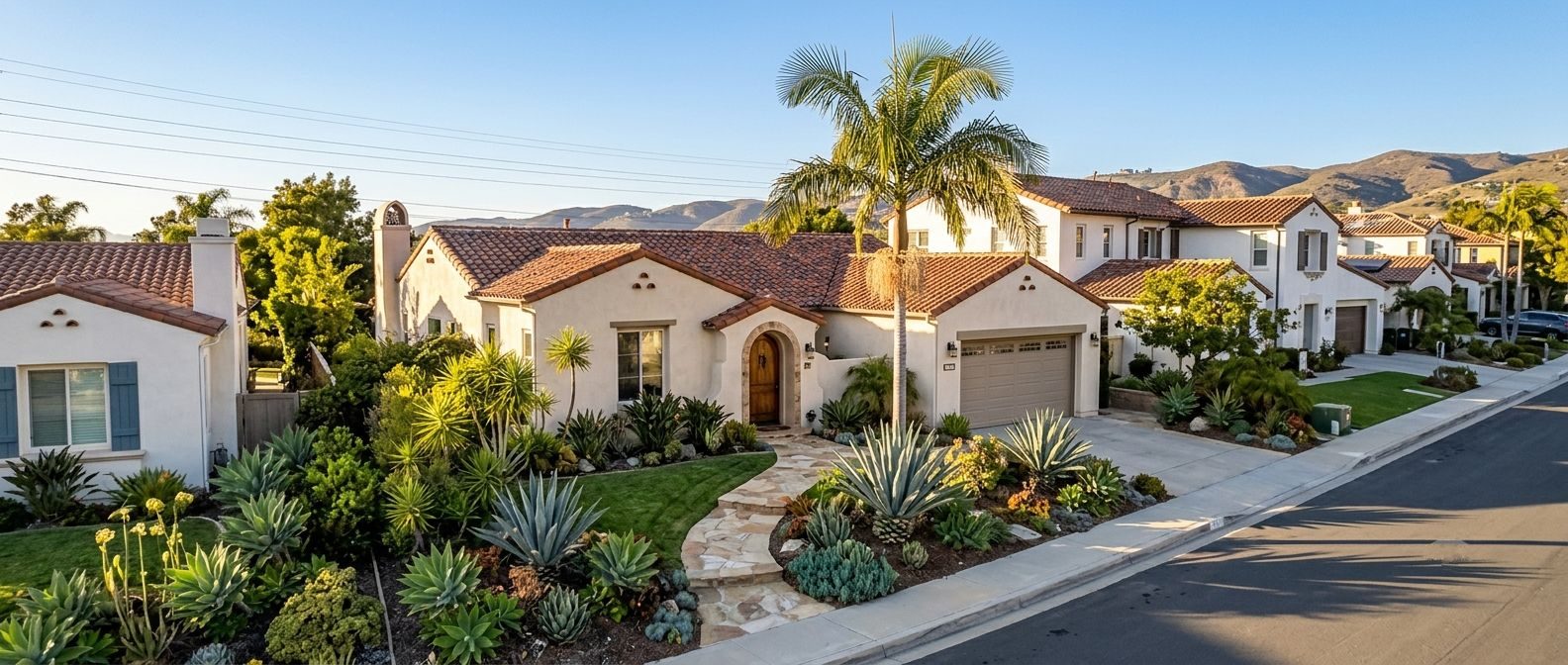
Maria, Robert, and Elena are three adult siblings whose mother passed away in Pasadena, California. Their mother had owned the family home since 1979. She held the property in a revocable living trust that became irrevocable upon her death.
The trust divides the estate equally among the three children. There is no mortgage on the home. The property details at the time of transfer are as follows:
- Current county assessed value: $280,000
- Fair market value: $1,150,000
- Annual property tax at assessed value (approx. 1.2%): $3,360
- Annual property tax if fully reassessed: $13,800
Elena, the youngest, has lived nearby her entire adult life. She wants to keep the home. Maria and Robert live out of state and would prefer to receive their cash share and move on.
The Math on Day One
Each sibling's one-third share of the $1,150,000 property is approximately $383,333. For Elena to keep the home, Maria and Robert each need to receive $383,333 in cash, for a total of $766,666.
The trust does not have $766,666 in cash. The successor trustee contacts North Coast Financial about a trust loan secured by the Pasadena property. The trust is the borrower, not Elena: if Elena borrowed personally to buy her siblings' shares, those shares would be treated as a purchase from her siblings and reassessed.
Illustrative loan terms: $770,000 loan amount (rounded to cover the buyout plus closing costs), 10.5% rate, 1.5 points origination, on a 12-month loan to the trust. The trustee distributes the home to Elena subject to the loan, and she later refinances it in her own name.
- Origination fee: $11,550 (1.5% of $770,000)
- Monthly interest at 10.5%: approximately $6,738
- 12-month interest total: approximately $80,850
- Total cost of financing over 12 months: approximately $92,400
The trust pays Maria and Robert their shares from the loan, and the successor trustee distributes the home to Elena, subject to the loan. She moves in and files for the homeowners' exemption within one year of her mother's death, and files the BOE-19-P with the Los Angeles County Assessor (due within three years).

The Prop 19 Exclusion Calculation
The market value ($1,150,000) minus the assessed value ($280,000) is $870,000. Since $870,000 is less than the $1 million cap, Elena qualifies for a complete exclusion with no addition to the assessed value. Her property taxes are based on $280,000, not $1,150,000.
Annual property tax on $280,000 (at 1.2%): $3,360. Annual property tax if reassessed to $1,150,000: $13,800. Annual savings: $10,440 per year.
The 20-Year Property Tax Projection
Property taxes under Prop 13 increase by no more than 2% per year. The table below compares Elena's annual tax obligation under the exclusion versus full reassessment over 20 years, using the 2% annual increase on both scenarios.
| Year | Tax With Exclusion (2% increase) | Tax Without Exclusion (2% increase) | Annual Savings |
|---|---|---|---|
| 1 | $3,360 | $13,800 | $10,440 |
| 5 | $3,633 | $14,921 | $11,288 |
| 10 | $4,012 | $16,488 | $12,476 |
| 20 | $4,893 | $20,112 | $15,219 |
Cumulative tax savings over 20 years: approximately $253,000. This is the real dollar value of preserving the Prop 19 exclusion in this scenario.
The Net Position
Elena spent approximately $92,400 in loan costs to preserve an exclusion worth roughly $253,000 over 20 years. The net benefit is approximately $160,000, and that does not account for property appreciation or the emotional value of keeping the family home.
The Equalization Loan Structure
The title company coordinated with the successor trustee to record the deed of trust against the property. Escrow wired the loan proceeds to the trust's bank account, and the successor trustee paid Maria and Robert $383,333 each from that account.
Elena moved into the home within 30 days of the trust loan closing. She began the conventional refinance application with her bank at the same time. Eight months later, she refinanced the trust loan into a 30-year conventional mortgage at a rate that reduced her total monthly carrying costs. The trust loan was paid off in full, with no prepayment penalty.

How Filing the BOE-19-P Locked It In
Elena's probate attorney filed the BOE-19-P with the Los Angeles County Assessor within 60 days of moving in. The claim was processed, the assessor confirmed the exclusion, and the property's assessed value remained at $280,000. No reassessment notice was ever issued. Elena's property tax bill for the year read exactly what her mother had been paying, plus the standard 2% Prop 13 increase.
The timing mattered. Filing promptly, before the assessor could initiate a reassessment review, made the process smooth. Families who wait too long may receive a reassessment notice and then have to file the claim as a retroactive correction, which adds complexity and delays.
Lessons From This Scenario
- Move quickly. The 12-month window from date of transfer to primary residency establishment is real. Elena had a plan before the trust loan even closed.
- Run the math before deciding. The $92,400 loan cost seemed high in isolation. Against $253,000 in projected tax savings, it was an obvious investment.
- Get the buyout funded first. Elena could not establish sole ownership without paying her siblings. The trust loan made that possible.
- File the BOE-19-P promptly. Do not wait for a reassessment notice. File the claim as soon as you establish primary residence.
Frequently Asked Questions
Similar Situation? Call Us.
North Coast Financial funds Prop 19 equalization loans throughout California. Call 760-722-2991 to discuss your specific property and timeline.